How To Check Car Fluids
A practical step-by-step guide to how to check car fluids, including preparation, instructions, common issues, tips, and next steps.
How To Check Car Fluids
Regularly checking your car's fluids is one of the simplest and most effective ways to keep your engine running smoothly and prevent costly repairs. This guide walks you through the essential checks for engine oil, coolant, brake fluid, power steering fluid, and windshield washer fluid. You'll learn how to locate each reservoir, inspect fluid levels and condition, and top off when needed. By spending a few minutes each month on these tasks, you can spot potential problems early, maintain optimal performance, and extend the life of your vehicle. No special tools are required—just a clean cloth and the correct fluids as specified in your owner's manual.
Fast Answer
- Park your car on a level surface, turn off the engine, and let it cool for at least 10 minutes before checking any fluids.
- Open the hood and locate the dipstick and fluid reservoirs, then check each fluid level against the markings and top off only if low.
Before You Start
- Park your car on a level surface and engage the parking brake. Ensure the engine is turned off and has cooled for at least 10 minutes to avoid burns and get accurate readings.
- Open the hood and secure it with the prop rod or hydraulic strut. Look for the owner's manual to confirm the location and type of each fluid reservoir if you're unsure.
- Gather a clean, lint-free cloth or paper towel for wiping dipsticks and caps, and have the appropriate fluids on hand (engine oil, coolant, brake fluid, power steering fluid, windshield washer fluid) as specified in your manual.
- Check the condition of the fluid as you inspect its level. Look for color, clarity, and any particles or odor, as these can indicate contamination or internal issues.
Step-by-Step Instructions
Check Engine Oil Level and Condition
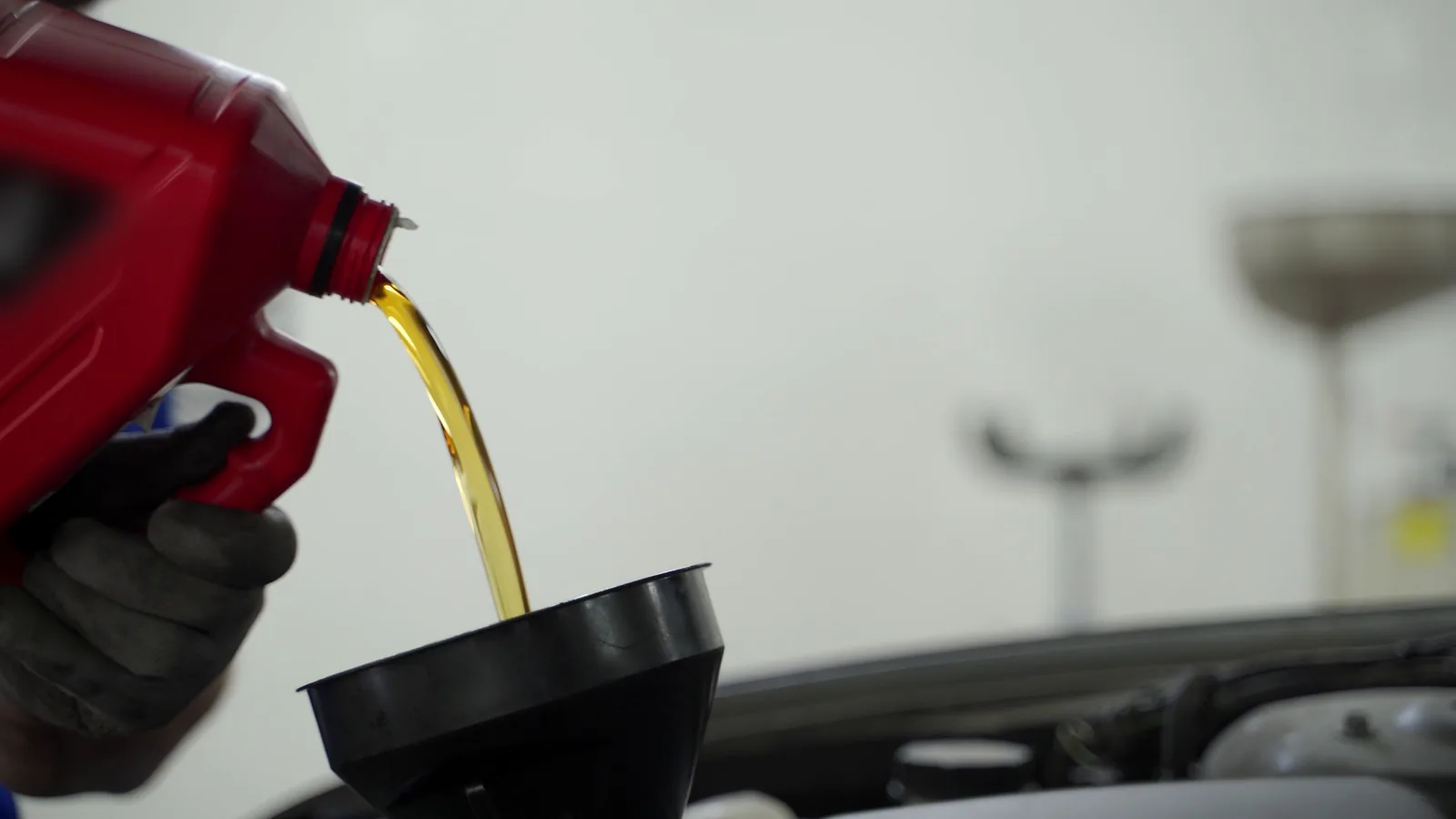
Start by locating the engine oil dipstick, which usually has a bright yellow or orange handle. With the engine off and cool, pull the dipstick out and wipe it clean with a lint-free cloth. Reinsert it fully, then pull it out again to read the level. The oil should fall between the MIN and MAX marks on the dipstick. If it's below MIN, add a small amount of the recommended oil grade. Also, inspect the oil's color and consistency. Fresh oil is amber and translucent; if it looks dark, gritty, or milky, it may need changing or indicate a leak or head gasket issue. Checking oil regularly is crucial because it lubricates engine components, reduces friction, and prevents overheating and engine failure.
Inspect Coolant Level and Mixture
The coolant reservoir is a translucent plastic tank, typically marked with MIN and MAX lines. With the engine cool, check that the coolant level is within these marks. If it's low, add a 50/50 mixture of antifreeze and distilled water to reach the MAX line. Never open the radiator cap when hot. Also, examine the coolant's color and clarity. It should be bright green, orange, or pink depending on the type; if it looks rusty, oily, or has particles, it should be flushed. Coolant regulates engine temperature and prevents freezing, so proper levels are essential to avoid overheating and severe engine damage. Always use the type specified in your owner's manual, as mixing different types can cause chemical reactions and damage.
Check Brake Fluid Level and Clarity
The brake fluid reservoir is usually located at the back of the engine bay, near the driver's side. It is a translucent plastic container with MIN and MAX lines. Ensure the level is between these marks. If it's low, add the type of brake fluid specified in your owner's manual (DOT 3 or DOT 4 are common). Check the fluid's color: it should be light amber and clear. If it looks dark brown or black, it may be contaminated with moisture or debris, and you should have the system flushed. Brake fluid is hygroscopic, meaning it absorbs water over time, which can lower its boiling point and reduce braking efficiency. Keeping it at the right level and condition is vital for your safety and for the proper function of your brakes.
Verify Power Steering Fluid Level
If your car has hydraulic power steering, locate the power steering fluid reservoir, which is often a small plastic or metal tank with a cap and a dipstick attached. The cap may have a steering wheel icon. With the engine off, check the level against the cold or HOT markings on the dipstick. If it's low, add the correct type of fluid (usually automatic transmission fluid or a specific power steering fluid) to bring the level up. Also, note the fluid's color and smell. It should be clear, reddish, or pinkish; if it looks dark, gritty, or has a burnt smell, you may need a flush. Power steering fluid transmits hydraulic pressure to assist steering, so maintaining the right level helps ensure responsive and effortless steering, preventing pump damage.
Fill Windshield Washer Fluid
The windshield washer fluid reservoir is usually a large plastic tank with a blue or black cap that has a windshield icon on it. It's often located near the back of the engine bay or along the side. Check the level by looking inside the tank or using the dipstick if provided. If it's low, fill it with a pre-mixed washer fluid that has cleaning and antifreeze properties. Do not use plain water, as it can freeze in cold weather and may not clean effectively. Washer fluid helps maintain clear visibility, which is essential for safe driving, especially in rain, snow, or dusty conditions. Keeping the reservoir topped off ensures you always have a way to clean your windshield when you need it.
Check Transmission Fluid (If Equipped)
Most automatic transmission vehicles have a transmission fluid dipstick, usually located near the back of the engine bay. Consult your owner's manual, as some newer vehicles have sealed transmissions that don't require checks. If your car has a dipstick, park on a level surface, start the engine, and let it idle for a few minutes to warm the transmission. With the engine running and the parking brake set, pull the dipstick, wipe it, reinsert, and pull again to read the level. Ensure it's within the hot range. The fluid should be reddish and translucent; if it's dark, has a burnt smell, or is gritty, it may need replacement. Transmission fluid lubricates the internals, transmits power, and cools the system, so correct levels are crucial for smooth shifting and prevention of costly damage.
Quick Reference
| Situation | Action | Why it helps |
|---|---|---|
| Engine oil is below the MIN mark on the dipstick. | Add the correct grade of engine oil, a little at a time, and recheck the level to avoid overfilling. | Low oil can cause increased friction and heat, leading to engine wear and potential failure. |
| Coolant level is near the MIN line in the reservoir. | Top off the reservoir with a 50/50 mixture of antifreeze and distilled water to the MAX line. | Insufficient coolant can cause the engine to overheat, resulting in severe damage like a blown head gasket. |
| Brake fluid appears dark or has particles when you inspect the reservoir. | Have the brake fluid system flushed and refilled by a professional as soon as possible. | Contaminated brake fluid can reduce braking efficiency and lead to component corrosion or failure, compromising safety. |
Common Issues
- Oil is dirty or has a milky appearance.: Schedule an oil change immediately and have a mechanic inspect the engine for leaks or coolant contamination, which could indicate a blown head gasket.
- Coolant level is dropping without a visible leak.: Check the radiator cap and hoses for cracks, and inspect the water pump area for seepage. If no external leak is found, have a coolant system pressure test done to identify internal leaks.
- Brake fluid level is consistently low.: Inspect the brake lines, calipers, and wheel cylinders for leaks. Worn brake pads can also cause the level to drop as the fluid fills the calipers. Have the brake system professionally inspected and repaired.
Advanced Tips
- Keep a small notebook in your glove compartment to record fluid levels and dates, so you can track consumption patterns and spot leaks early.
- Learn to recognize each fluid's characteristic smell: sweet syrup for coolant, burnt marshmallow for brake fluid, and a burnt smell for transmission fluid, helping you identify issues quickly.
- If you ever see a puddle under your car, using a piece of cardboard to collect a sample can help you identify the fluid type by color and consistency, aiding in diagnosis.
Final Checklist
- Engine oil is at the proper level on the dipstick, and the color looks clean and amber.
- Coolant is between MIN and MAX in the reservoir, and the color is bright and free of particles.
- Brake fluid is at the correct level and appears clear, not dark or dirty.
- Windshield washer fluid reservoir is full, and power steering fluid is at the indicated level if applicable.
FAQ
How often should I check my car fluids?
It's a good practice to check your engine oil and coolant at least once a month, and other fluids like brake and power steering fluid every few months. Always refer to your owner's manual for specific intervals. Regular checks help you spot small issues before they become major.
Can I use any brand of fluid if it matches the type?
Yes, as long as you use the correct viscosity or type (e.g., SAE 5W-30 for oil or DOT 4 for brake fluid), brands are largely interchangeable. However, for coolant, ensure it meets the specifications in your owner's manual, as some vehicles require specific formulations like ethylene glycol or propylene glycol.
What should I do if I accidentally overfill a fluid reservoir?
If you've added too much fluid, the excess may need to be removed to prevent leaks or damage. For oil, you can use a suction pump to remove the excess. For other fluids, consult a mechanic because overfilling can cause high pressure and component failure. Always use a funnel and add fluid gradually.