How Long Does Car Battery Last
A practical step-by-step guide to how long does car battery last, including preparation, instructions, common issues, tips, and next steps.
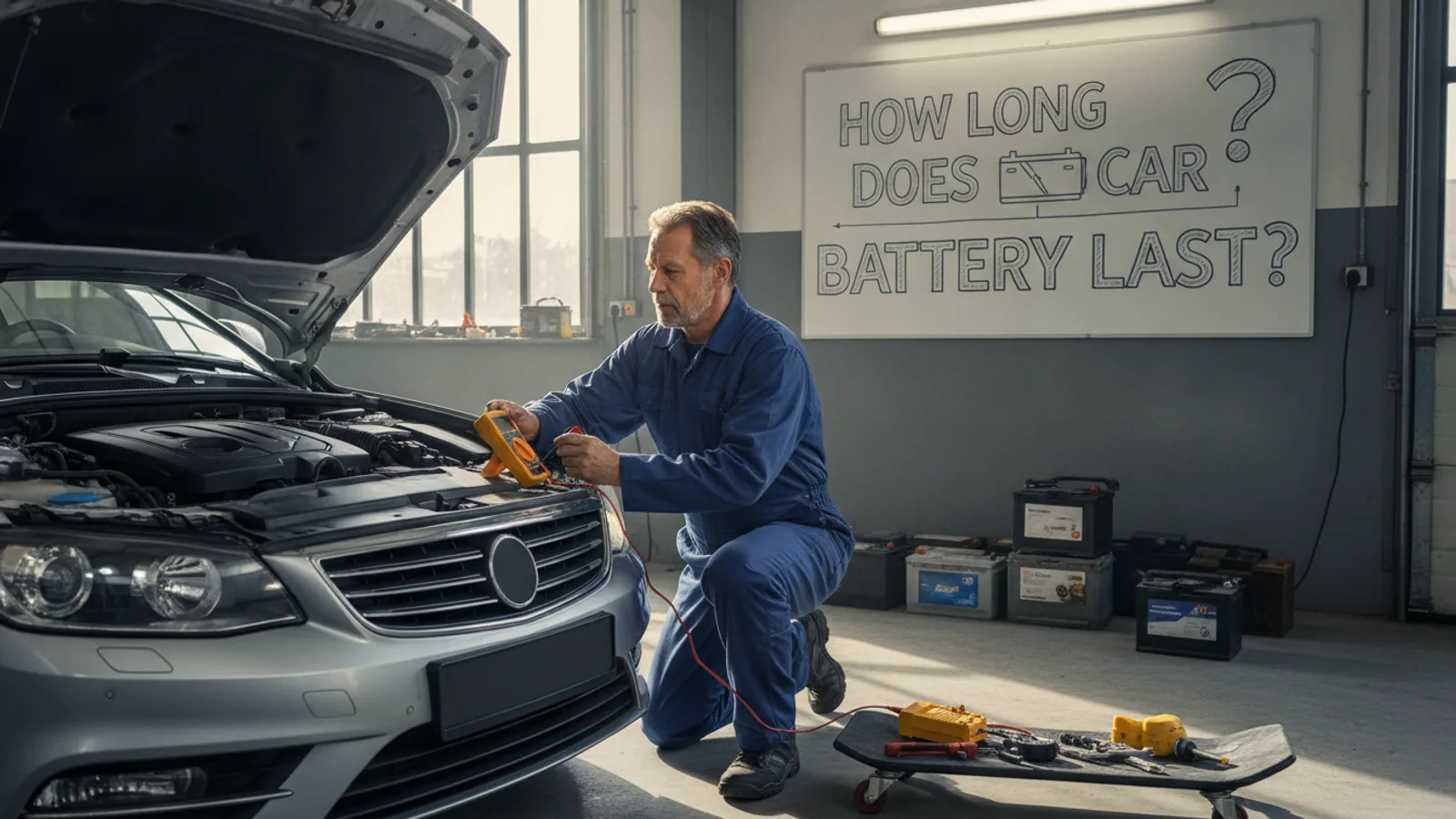
How Long Does Car Battery Last
This guide explains the typical lifespan of a car battery, the factors that influence how long it lasts, and practical steps you can take to extend its life. You'll learn about the signs of a failing battery, how to test it, and when to replace it, ensuring your vehicle starts reliably in all weather conditions.
Fast Answer
- On average, a car battery lasts between three and five years, but this can vary based on climate, driving habits, and vehicle type.
- If you notice slow engine cranking, dim headlights, or the need for frequent jump-starts, your battery may be nearing the end of its life.
- Regular testing after three years can help you catch a weak battery before it leaves you stranded.
Before You Start
- Gather a digital multimeter or a dedicated battery tester to measure voltage and cranking amps.
- Find your vehicle's owner’s manual to locate the battery and note the recommended replacement interval.
- Use safety glasses and gloves, as battery acid and corrosion can be harmful.
- Ensure the vehicle is parked on a level surface, the engine is off, and the ignition key is removed.
Step-by-Step Instructions
Inspect the battery for visible damage
Begin by visually examining the battery case for cracks, bulges, or leaks, and inspect the terminals for white or bluish corrosion. A damaged case can allow acid to escape, while corrosion can prevent proper electrical contact. Run your hand along the top of the battery and around the base to feel for moisture or powdery residue. If you see any damage or heavy corrosion, the battery may need replacement. This inspection is important because physical damage can cause sudden failures, and corrosion can increase resistance, making it harder for the starter to draw power. If the battery is dirty, clean the terminals with a mixture of baking soda and water using a wire brush, and dry thoroughly. Look for any loose or frayed cables as well. This quick check helps you avoid unexpected breakdowns and prepares you for the next step of testing.
Measure the resting voltage
Set your multimeter to DC volts, then connect the red lead to the positive terminal and the black lead to the negative terminal. The battery should have been sitting for at least an hour, ideally overnight, to allow the surface charge to dissipate. A fully charged battery should read around 12.6 volts or higher; if it reads 12.4 volts, it’s about 75% charged; below 12.0 volts, the battery is discharged. This measurement gives you a baseline indicator of the battery's state of charge. A low resting voltage may mean the battery is weak or the alternator isn't charging it properly. If the reading is low, charge the battery fully and retest; if it still drops quickly, the battery is likely sulfated and needs replacement. Keep a record of your readings so you can compare them over time to spot decline early.
Perform a load test
Use a battery load tester, either the carbon-pile type or the electronic conductance type, to apply a simulated load equal to half the battery's cold cranking amp rating for 15 seconds. Follow the tester's instructions carefully. A healthy battery should maintain at least 9.6 volts during the load test. If the voltage drops below that, the battery cannot deliver enough power to start the engine and should be replaced. This test is essential because a battery can show a good resting voltage but still fail under the high current demand of starting. Many auto parts stores and repair shops offer free load testing, or you can buy a handheld tester. If you don't have a tester, you can take your battery to a professional, but doing it yourself saves time and gives you immediate feedback. Keep in mind that the battery must be fully charged before the load test for accurate results.
Check the charging system output
With the engine running, set the multimeter to DC volts and connect it to the battery terminals. The reading should be between 13.8 and 14.4 volts, indicating that the alternator is charging the battery properly. If the voltage is lower, the battery may not be getting fully charged, which shortens its life. If it's higher, it may overcharge and damage the battery. This step is crucial because an undercharged battery can be mistaken for a failing battery. Let the engine run at idle and then rev it to 2000 RPM and note any voltage changes. Also, check the drive belt for wear and tension, as a loose belt can reduce alternator output. If you notice any alternator problems, addressing them can save your battery from premature failure. If the charging voltage is out of range, have the alternator tested by a professional.
Assess your driving pattern
Think about how you typically use your vehicle. Short trips of less than 20 minutes, frequent starts, and letting the car sit for weeks can reduce battery life. These patterns prevent the battery from fully recharging or cause it to discharge deeply, which shortens its lifespan. To tell if your driving habits are taking a toll, keep a log of your trips for a week. If you mostly drive short distances, consider taking a longer drive once a week to allow the alternator to recharge the battery fully. You can also use a battery maintainer if the car isn't driven for extended periods. Understanding your driving pattern helps you anticipate when you might need a new battery and adjust your habits to extend its life.
Decide and plan for replacement
If the tests show the battery is weak or it's older than three years, it's wise to replace it proactively rather than waiting for a failure. Look for the manufacturing date stamp on the battery case, usually a letter and number. A=January, B=February, and so on, with the number representing the year. For example, D5 means April 2025. If the battery is over four years old and shows any signs of trouble, replacement is recommended. Choose a battery with the correct group size, cold cranking amp rating, and terminal configuration for your vehicle. Clean the tray and cables before installing the new battery, and make sure the new battery is securely fastened to prevent vibration damage. Once installed, dispose of the old battery by taking it to a recycling center or auto parts store that accepts used batteries.
Quick Reference
| Situation | Action | Why it helps |
|---|---|---|
| Battery is more than four years old and the engine cranks slowly on a cold morning. | Test the battery with a load tester and the charging system with a voltmeter to confirm health, and plan to replace it if it fails. | Cold temperatures increase oil thickness and battery resistance, making a weak battery fail when you need it most. |
| Headlights and interior lights dim when the engine is idling, but brighten when you rev the engine. | Check the alternator output with a multimeter while the engine runs and also inspect the drive belt for wear. | Dimming lights often indicate the alternator is not charging the battery properly, causing it to drain and shorten battery life. |
| You don't drive your car for two weeks or more, and after that, the battery is completely dead. | Use a battery maintainer or disconnect the negative battery cable when the car is parked for long periods. | A car battery can self-discharge while sitting, and electrical accessories like a clock or radio drain it further, so maintaining it prevents deep discharge. |
Common Issues
- Corrosion on battery terminals appears as a white or bluish powder.: Disconnect the cables, clean the terminals and posts with a wire brush and a baking soda and water solution, rinse with clean water, and dry. Then reconnect, tightening firmly, and apply dielectric grease to prevent further corrosion.
- Battery is constantly low even after a full charge.: Perform a load test and check for parasitic draws by using a multimeter to measure current draw when the car is off. Also, ensure the charging system is working correctly. If the battery still loses charge, it may be sulfated and need replacement.
- Battery dies after short periods of inactivity, like a few days.: Check for a parasitic drain by disconnecting the negative cable and connecting a test light or multimeter in series. If there is excess current draw, identify and fix the electrical problem. If no drain is found, the battery's internal condition may be poor, so replace it.
Advanced Tips
- Consider upgrading to an AGM (absorbent glass mat) battery if your vehicle has high electrical demands, as they recover better from deep discharges and have lower internal resistance.
- Use a battery registration tool or reset procedure after replacing the battery in modern vehicles to ensure the charging system optimizes for the new battery.
- If you live in a hot climate, park in the shade or use a battery insulation kit to reduce heat damage, as high temperatures accelerate battery degradation.
Final Checklist
- Visually inspect the battery for cracks, bulges, and corrosion.
- Test resting voltage with a multimeter to ensure it's at least 12.6 volts.
- Perform a load test to confirm the battery can sustain 9.6 volts under load.
- Verify alternator output is between 13.8 and 14.4 volts with the engine running.
FAQ
How long can a car battery last if I drive my car every day?
If you drive every day for at least 20 minutes, your battery will likely last between five and seven years. Regular driving keeps the battery charged and helps prevent sulfation, one of the main causes of battery death. However, extreme temperatures, dirty terminals, and vibration can still shorten its life. You should still test the battery annually after it reaches three years old.
Can a car battery last 10 years?
In rare cases, a battery can last up to 10 years, especially if it's a high-quality battery in a mild climate and driven regularly. However, most batteries are designed to last three to five years. Factors like heat, cold, short trips, and electrical accessories can greatly reduce lifespan. The best way to know is to test the battery's condition using a load tester.
How can I make my car battery last longer?
To extend battery life, drive your car regularly to keep it charged, limit short trips, keep the battery and terminals clean, secure the battery firmly to reduce vibration, avoid using electronics when the engine is off, and test the battery annually after three years. Using a battery maintainer during long periods of inactivity also helps.