How To Tell If You Need New Tires
A practical step-by-step guide to how to tell if you need new tires, including preparation, instructions, common issues, tips, and next steps.
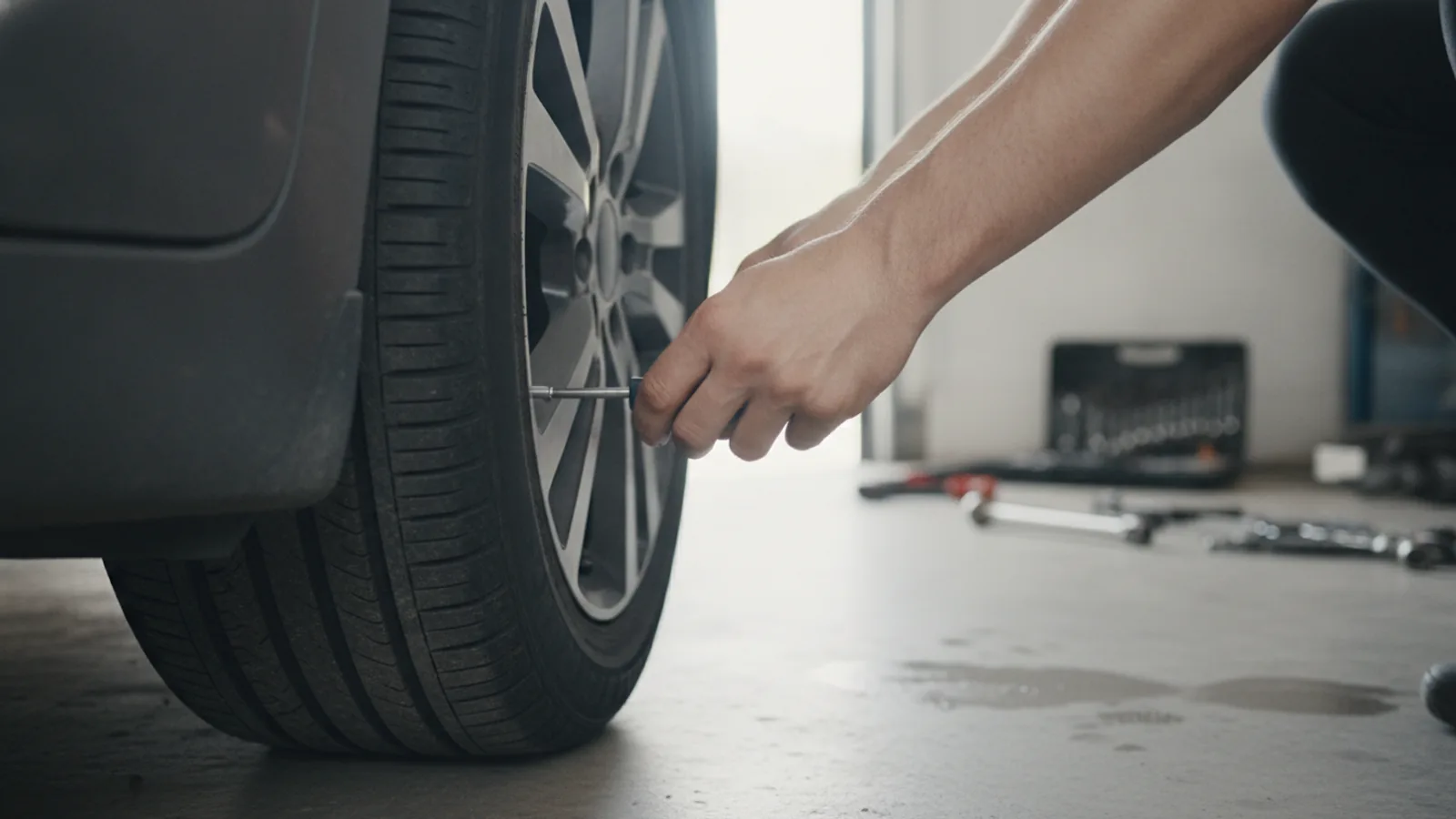
How To Tell If You Need New Tires
Knowing when to replace your tires is a key safety skill that every driver should have. Tires are the only part of your car that touches the road, and worn or damaged tires can make stopping distances longer, reduce grip in wet conditions, and increase the risk of a blowout. This guide gives you simple, practical ways to check your tires at home, including looking at the tread depth, finding signs of uneven wear, and feeling for vibrations while you drive. You will also learn about the penny test, the importance of tire pressure, and when to ask a professional for help. By the end, you will know exactly how to tell if your tires need to be replaced, so you can stay safe and avoid unnecessary expenses.
Fast Answer
- Do the penny test: insert a penny into the tread groove with Lincoln's head upside down. If you can see the top of his head, the tread is too shallow and you need new tires.
- Look for visible damage: check for cracks, bulges, cuts, or punctures on the sidewall and tread. If you see any of these, replace the tire immediately.
Before You Start
- Find a well-lit, flat area where you can safely inspect your car. Make sure the engine is off and the parking brake is engaged.
- Gather a penny, a tread depth gauge (if you have one), a flashlight, and a piece of chalk or a marker to mark any problem areas.
- Read your vehicle's owner's manual to find the recommended tire pressure and any specific warnings about tire wear indicators.
- Plan to check all four tires, including the spare if you have one, but do not forget that the spare often has different pressure and tread requirements.
Step-by-Step Instructions
Check the Tread Depth with the Penny Test
The most common way to check tread depth is the penny test. Take a penny and insert it into the tread groove of your tire, with Lincoln's head pointing down and the top of his head facing you. If you can see the top of Lincoln's head, your tread is below 2/32 of an inch (about 1.6 millimeters), which is the legal minimum in many places. This means your tires are worn out and need replacement. Do this test in at least three spots across each tire, because tires often wear unevenly. If any spot fails, the tire is unsafe for use in rain or snow because it cannot channel water away effectively. Remember that this test is a quick indicator; for a more precise measurement, you can use a tread depth gauge, but the penny test is a reliable first step. Make sure the tire is cool and clean, as dirt can affect the reading. If you find that your tread is low, plan to replace your tires soon, especially if you drive in wet or winter conditions.
Look for the Wear Indicator Bars
Tires have built-in wear indicator bars, which are narrow raised strips of rubber that run perpendicular to the tread. They are located in the bottom of the main grooves. When the tread surface wears down to the level of these bars, the bars become visible as a smooth, horizontal band across the tire. If you can see these bars in any groove, the tire is legally worn out and must be replaced. To check them, run your fingers over the tread; if you feel the bars are level with the tread, the tire is at the minimum depth. This method is more reliable than the penny test because it is built into the tire design. Even if your penny test shows okay, you should always verify with the indicator bars, especially if your tires are older. Look for these bars on all four tires, and note that they may be more visible on some tires than others. If they appear, do not delay replacement because the tire has little grip left, especially on wet roads.
Measure Tread Depth with a Gauge
For an exact measurement, use a tread depth gauge, which is a small tool that you can buy at any auto parts store. Place the probe of the gauge into the tread groove and press down until the base is flush with the tread. Read the number on the gauge, which shows the tread depth in millimeters or 32nds of an inch. If the measurement is 2/32 or below, the tire is legally worn out. However, even at 4/32 or 3/32, you should consider replacement for better performance in rain or snow. Measure in at least three different spots across the tire, and also check the outer and inner edges, because tires can wear unevenly. Write down your measurements and compare them. If you have a tire that is significantly lower in one area, that indicates a problem, such as misalignment or underinflation. A gauge is more accurate than the penny test, and it helps you track wear over time. If you notice any measurement below 2/32, do not drive on that tire except to a shop for replacement.
Inspect for Cuts, Bulges, and Punctures
Examine the sidewall and the tread surface of each tire for any visible damage. Look for cuts, cracks, bulges, or blisters. A bulge is a raised area on the sidewall that indicates internal damage, often a broken belt, and it can blow out without warning. Cuts or cracks in the rubber can lead to air loss and tire failure. Also, check for punctures, such as a nail or screw embedded in the tread. If you find any of these, you should have the tire inspected by a professional. Some punctures can be repaired if they are in the tread and smaller than a certain size, but any damage to the sidewall cannot be fixed and mandates replacement. Use a flashlight to see clearly, and run your fingers over the tire surface to catch small cuts that may not be visible. Also, look at the inner and outer edges of the tread for any uneven wear patterns. If you see any damage, do not inflate the tire further, and drive at low speed to a tire shop for evaluation.
Feel for Vibrations While Driving
Pay attention to any vibrations or shaking while you drive, as this can be a sign of tire problems. Slight vibrations can be caused by unbalanced tires, but sudden or severe vibrations, especially at highway speeds, might indicate a tire with a broken belt, a large puncture, or a severe separation. If you feel a vibration that was not there before, it is wise to have your tires checked. To do this, find a safe, straight road with little traffic and drive at a moderate speed, then notice if the steering wheel, floor, or seat shakes. If it does, slow down and do not continue driving for long distances. Vibrations can also be caused by other issues like suspension problems, so it is important to get a professional diagnosis. While you are driving, also note if the car pulls to one side, which could mean a tire is underinflated or has a separated belt. If you experience any of these, drive to a service center and have the tires and alignment inspected.
Monitor Tire Pressure and Uneven Wear
Incorrect tire pressure can cause uneven wear, which may indicate that you need new tires sooner than expected. Use a tire pressure gauge to check the pressure when the tires are cold, and compare it to the recommended pressure listed in your owner's manual or on a sticker inside the driver's door. Low pressure wears the edges of the tread, while high pressure wears the center. If you notice that the tread is worn more on the edges or in the middle, that is a sign of wrong inflation. Also, check for cupping or scalloped wear, which looks like small dips, often caused by worn suspension parts. If your tires are wearing unevenly, you may need an alignment or to rotate your tires. But if the wear is already deep, the tires may need replacement. Keeping your tires properly inflated is the simplest way to extend their life and improve safety. Remember that tire pressure changes with temperature, so check regularly, especially when the weather changes.
Quick Reference
| Situation | Action | Why it helps |
|---|---|---|
| You see Lincoln's entire head when doing the penny test. | Replace the tire as soon as possible. Do not drive on it if the tread is below 2/32 of an inch, especially in the rain. | The tread is too shallow to channel water effectively, increasing the risk of hydroplaning and making stopping distances longer. |
| You spot a bulge or bubble on the sidewall. | Do not drive the vehicle. Have it towed to a tire shop and replace the tire immediately. | A bulge means the internal structure has failed, and the tire can blow out suddenly, causing a loss of control. |
| The wear indicator bars are visible across the tread. | Check the tire with a tread depth gauge to confirm the depth, then schedule a replacement within a few days. | The tire has reached the minimum legal tread depth and may not provide enough grip for safe driving, especially on wet roads. |
Common Issues
- Tires wear more on the edges than in the center.: This is often due to underinflation. Check the cold tire pressure with a reliable gauge and inflate to the manufacturer's recommended PSI. If the wear is severe, the tires may be permanently damaged and need replacement.
- Tires wear more in the center than on the edges.: Overinflation causes the center to bulge and wear faster. Release some air to reach the recommended pressure. If the center wear is already deep, you may need new tires and should have your pressure habits adjusted.
- You feel a vibration in the steering wheel at highway speeds.: First, check for any visible damage or objects stuck in the tires. If none, have a professional balance the tires and check the alignment. A vibration can also indicate a broken belt or separated tire, requiring replacement.
Advanced Tips
- Consider rotating your tires every 5,000 to 7,500 miles to promote even wear, but follow the rotation pattern recommended in your owner's manual.
- Check your tire pressure at least once a month and before long trips, and remember that a change in outside temperature can affect pressure.
- If you live in an area with heavy snow or ice, consider a dedicated winter tire, which uses a different rubber compound and tread design for better grip in cold conditions.
Final Checklist
- Perform the penny test on all four tires and note any spots where the tread is too shallow.
- Look for the wear indicator bars across the treads, and if any are visible, plan for immediate replacement.
- Inspect the sidewalls and tread for cuts, bulges, or punctures, and take action if you find any.
- Check the tire pressure with a gauge and compare it to the recommended level in your vehicle's manual or door sticker.
FAQ
How often should I check my tire tread depth?
It's a good habit to check your tire tread once a month and before any long trip. But at a minimum, you should do a penny test every few months or before changing seasons, especially before winter. Regular checks help you catch wear early and avoid dangerous driving conditions.
Can I repair a tire with a puncture instead of replacing it?
Repairs are possible for punctures that are located in the tread area and are smaller than a certain size, usually about half an inch in diameter. However, any puncture in the sidewall, or any tire with multiple puncture holes, cannot be safely repaired. Always have a professional inspect the tire and determine if a repair is safe. Do not repair a tire that has been driven on while flat, as internal damage may be hidden.
What is the legal minimum tread depth, and is it safe?
In many places, the legal minimum is 2/32 of an inch, which is roughly the height of a penny's head. However, this is not the safest threshold. At 2/32, your tires have very little grip on wet roads, and your stopping distance increases noticeably. For better safety, consider replacing your tires when they reach 4/32 of an inch, especially if you drive in rainy or snowy conditions.