How To Put Air In A Tire
A practical step-by-step guide to how to put air in a tire, including preparation, instructions, common issues, tips, and next steps.
How To Put Air In A Tire
Knowing how to put air in a tire is a basic car maintenance skill that can save you time, money, and potential safety risks. Under-inflated tires wear unevenly, reduce fuel efficiency, and can overheat, leading to blowouts. This guide walks you through the entire process, from gathering the right tools to checking the final pressure, with practical tips and troubleshooting advice.
Fast Answer
- Locate the recommended tire pressure in your owner's manual or on the driver's side doorjamb sticker, then find an air pump at a gas station or use your own compressor.
- Remove the valve stem cap, firmly attach the air hose, add air in short bursts, and check the pressure frequently with a gauge until it matches the recommended PSI.
Before You Start
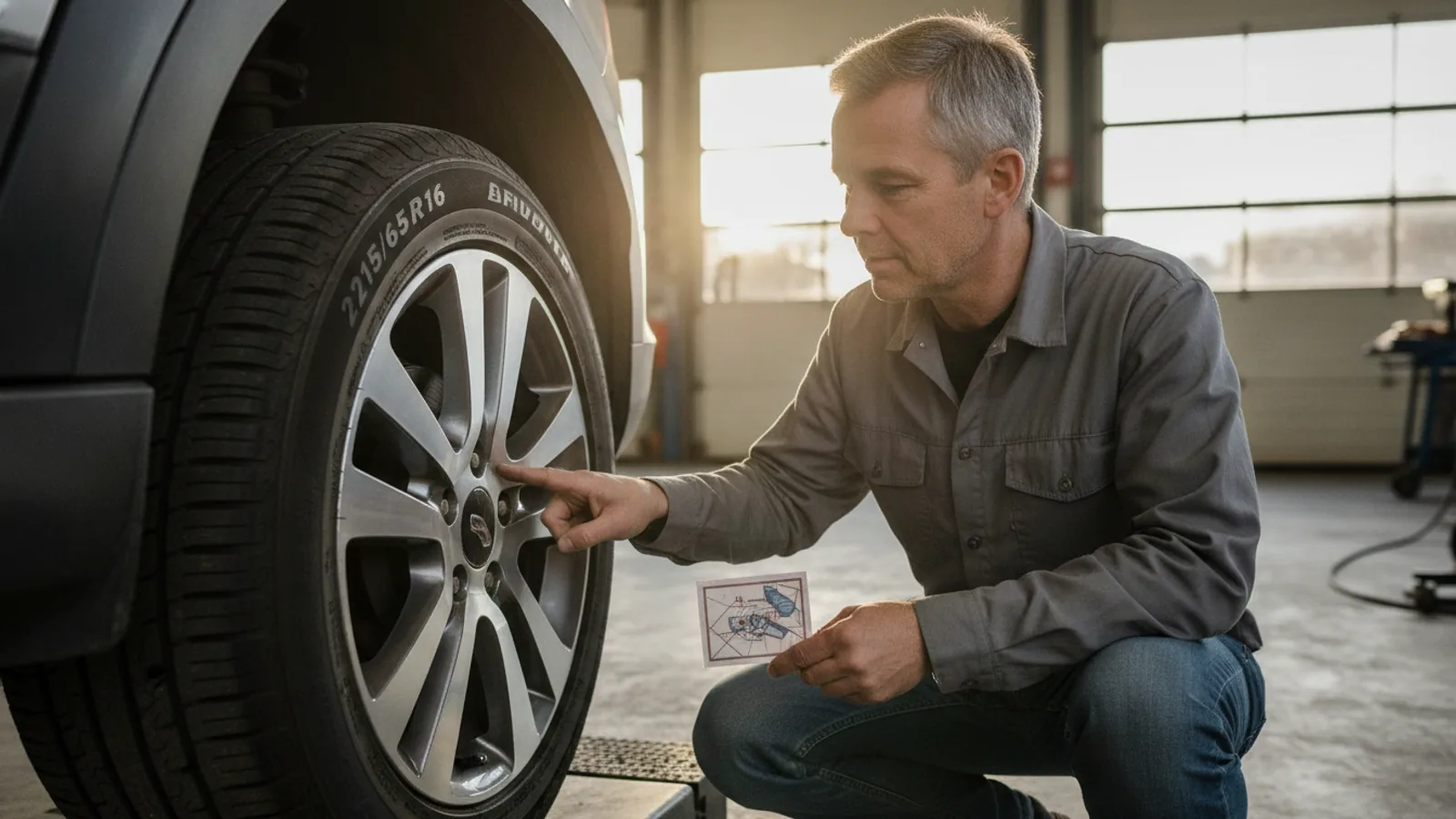
- Find your vehicle's recommended tire pressure: check the owner's manual or the sticker on the driver's side doorjamb; this is usually given in PSI (pounds per square inch).
- Choose an air source: a gas station air pump, a portable tire inflator, or a home air compressor; ensure it has a pressure gauge and a valve fitting.
- Have a separate tire pressure gauge available, either digital or analog, for accurate readings; some pumps have inaccurate gauges.
- Check the condition of your tires: look for visible damage like cuts, bulges, or nails, and ensure the valve stems are not cracked or leaking.
Step-by-Step Instructions
Remove the Valve Stem Cap
Start by locating the tire's valve stem, which is a small rubber or metal protrusion on the wheel. Remove the dust cap by twisting it counterclockwise. Place the cap somewhere safe, like in your pocket or on the wheel well, so you don't lose it. The cap keeps dirt and moisture out of the valve, so don't skip replacing it later. While you have the cap off, inspect the valve stem for any cracks or signs of damage. If the valve stem looks worn or bent, the tire may lose air even after you fill it, and you might need a professional to replace it. This quick check ensures that the air you add stays in the tire.
Attach the Air Hose or Inflator
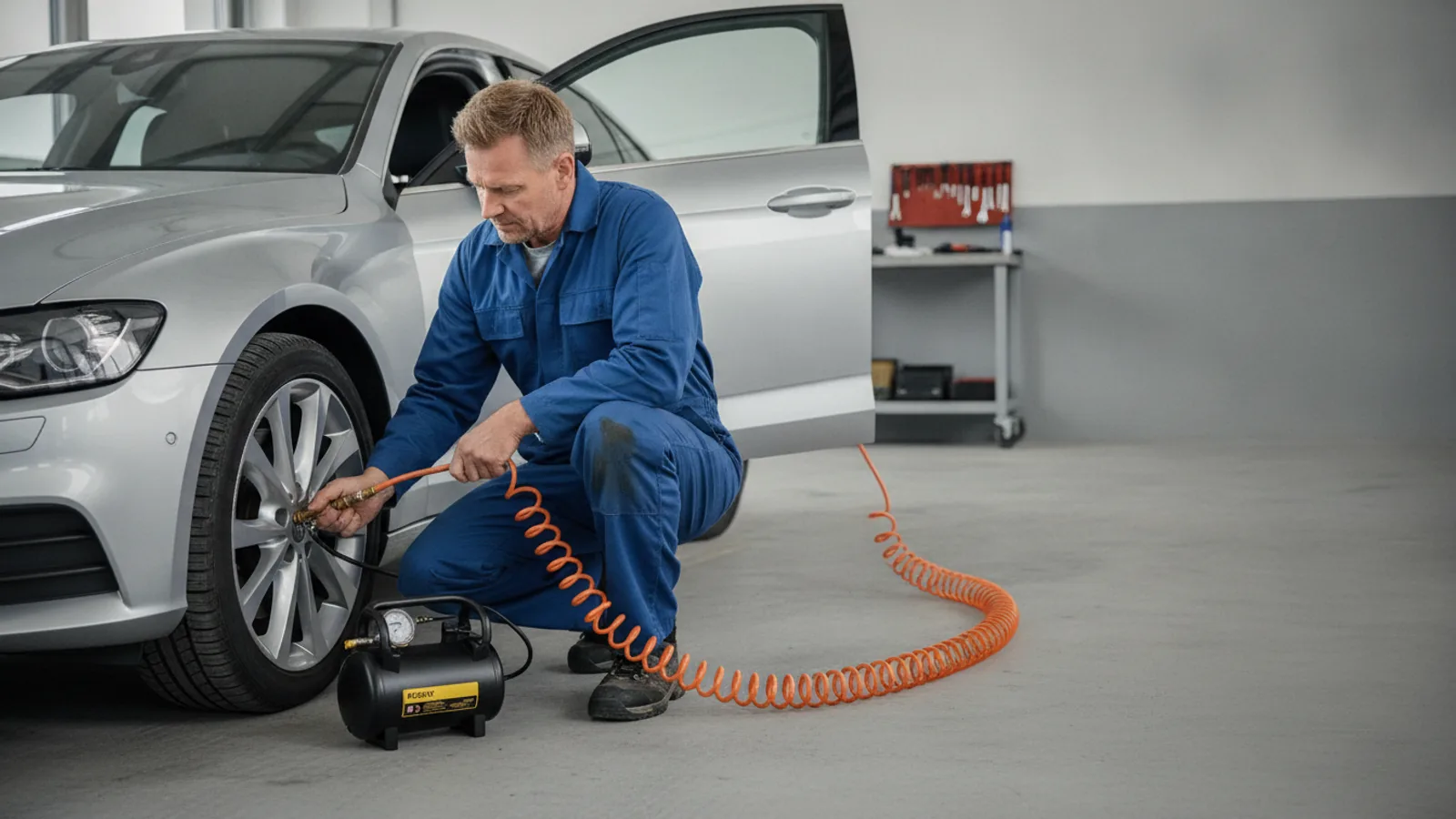
Take the air hose from the pump or the nozzle of your inflator and press it firmly onto the valve stem. You should hear a brief hiss of air, which is normal as the connection is made. Ensure the hose is seated snugly; most nozzles have a lever or twist action to lock them in place. If you're at a gas station, you may need to press the hose end onto the stem and hold it. A secure connection is essential to prevent air from escaping while you fill. If you hear a continuous hiss after attaching, you haven't sealed it properly. Reposition the nozzle and try again.
Add Air to the Tire
Begin adding air. If you're using a pump with a trigger, press it gently to start the flow. Add air in short bursts—about 2-3 seconds each—rather than a continuous stream, especially if you're using a high-capacity compressor. This prevents over-inflation and gives you better control. Let go of the trigger between bursts and listen for the hiss to stop. Many gas station pumps have a button you hold; release it to stop. If you're using a portable inflator, it may run continuously, so watch the pressure gauge or use a separate one. Remember, you can always add more air, but it's harder to remove, so go slowly.
Check the Pressure with a Gauge
After adding a few bursts, remove the hose and immediately place your tire pressure gauge onto the valve stem. Press down firmly and read the measurement. Compare it to the recommended PSI you found earlier. If the pressure is lower than recommended, add more air by repeating steps 3 and 4. If it's higher, you'll need to release some air. Checking frequently is crucial because it's easy to overshoot, especially with powerful pumps. Always check while the tire is cold. If you just drove, the pressure reading will be higher than normal, so you might under-inflate. Give the tire time to cool down before you make your final adjustment.
Adjust Pressure if Too High
If you accidentally over-inflate the tire, you need to release some air. Use the back of the pressure gauge or a small button on your gauge to depress the small pin inside the valve stem. This will let air escape. Press in short increments, checking the pressure frequently. You can also use a small tool like a screwdriver handle to press the pin. Be gentle to avoid damaging the valve. Remember, releasing air is just as important as adding it; an over-inflated tire has less traction and can wear out the center of the tread. Aim for exactly the recommended PSI, not more.
Replace the Valve Stem Cap and Double-Check
Once the pressure matches the recommended PSI, quickly place the cap back onto the valve stem and twist it clockwise until it's snug. Double-check that the cap is secure by giving it a gentle tug. Then, recheck the pressure with your gauge one more time to ensure the tire hasn't lost any air since you removed the hose. If it's still correct, you're done with that tire. Repeat these steps for all four tires, including the spare if your vehicle has one. After filling, give each tire a visual once-over to make sure they look properly inflated and there are no leaks around the valve area.
Quick Reference
| Situation | Action | Why it helps |
|---|---|---|
| The tire pressure is very low, near flat, and you notice the vehicle pulls to one side. | Do not drive on it. Use a portable air pump or go to the nearest gas station, but if it's too low, call for roadside assistance or install your spare tire. | Driving on a flat tire can severely damage the tire and rim, leading to a blowout and unsafe handling. |
| The air pump at the gas station doesn't have a functioning pressure gauge. | Use your own digital or analog tire pressure gauge to check the pressure after each burst of air added. | Relying on an inaccurate pump gauge can lead to over- or under-inflation, which affects tire wear and safety. |
| You notice the tire pressure drops noticeably within a few days after filling. | Inspect the tire for a puncture or a leak around the valve stem; if you can't find the cause, take it to a professional for a leak test. | A gradual pressure loss indicates a slow leak, which, if left unresolved, can lead to sudden tire failure while driving. |
Common Issues
- The air hose doesn't fit onto the valve stem properly.: Ensure you're using the correct adapter for your valve type (most use Schrader). Clean any dirt from the valve, and push the nozzle firmly until it clicks or locks. If it still won't seal, try a different pump.
- The tire pressure changes as soon as you remove the air hose.: This can happen if the hose wasn't seated correctly. Re-attach the hose and twist it slightly to get a better seal. Also, check that the valve core is tightened; use a valve core tool if needed.
- Your tire loses air rapidly even after filling, and you hear a hissing sound.: Locate the hiss by listening or feeling for air escaping around the valve. If it's at the valve core, tighten it or replace it. If it's from a puncture, use a tire plug kit temporarily, but have the tire professionally repaired or replaced.
Advanced Tips
- For accurate readings, check your tire pressure at the same time of day, ideally before driving, and use a high-quality gauge with a bleeder valve for precise adjustments.
- When using a portable inflator, plug it into your car's cigarette lighter or use a rechargeable model; ensure it has a built-in cutoff to prevent over-inflation.
- If you drive in extreme temperatures, adjust your tire pressure accordingly; a drop of 1 PSI per 10°F is common, so check more frequently during weather changes.
Final Checklist
- Confirm the recommended PSI from your owner's manual or driver's door sticker before starting.
- Remove the valve cap and keep it in a safe place during the process.
- Attach the air hose securely and add air in short bursts, checking pressure with a separate gauge.
- Replace the valve cap, re-check the pressure one last time, and repeat for all other tires, including the spare.
FAQ
What time of day is best to check tire pressure?
Check tire pressure when tires are cold, meaning the car has not been driven for at least three hours. Driving heats up the air inside, which increases pressure and gives a false high reading. For consistent monitoring, check in the morning before your first trip.
How often should I check my tire pressure?
At least once a month and before long trips. Tires naturally lose air over time, and regular checks help maintain proper inflation, which improves fuel efficiency and extends tire life. Also, check after significant temperature changes.
What is the maximum pressure safe for a tire?
Your tire's sidewall lists a maximum permissible pressure, often around 35 to 50 PSI for passenger cars. Never exceed that value, as it can cause the tire to overheat and fail. Always follow the vehicle manufacturer's recommended pressure, which is usually lower and more suitable for your car's handling and comfort.